Widener University
Assistant Professor of Supply Chain & Data Science
AI/ML systems · funded initiatives · teaching · national service
Assistant Professor of Supply Chain & Data Science
Widener UniversityI engineer artificial-intelligence, data, and machine-learning systems for consequential transportation and infrastructure decisions—from autonomous-vehicle and LiDAR pipelines to survival models, agentic LLM workflows, safety validation, and agency-ready decision tools.



01 / EXPERIENCE & EDUCATION

Assistant Professor of Supply Chain & Data Science
AI/ML systems · funded initiatives · teaching · national serviceGraduate Research Assistant
Federal safety systems · survival ML · optimization · GISTransportation & Logistics
North Dakota State University · GPA 3.94Industrial Management
Financial Engineering · optimizationIndustrial Engineering
Systems, operations, and quantitative analysis02 / TECHNICAL EXPERTISE
Amin’s capabilities span artificial-intelligence and ML engineering, programming, data pipelines, statistical modeling, optimization, LiDAR, GIS, and safety-system design for autonomous vehicles, railway, and highway applications.
End-to-end artificial-intelligence systems spanning time-to-event and competing-risk models, monotonic neural networks, random survival forests, gradient boosting, graph neural networks, feature engineering, calibration, deployment-oriented evaluation, RAG, and agentic LLM workflows.
Source integration, cleaning, validation, transformation, temporal alignment, spatial joins, model-ready feature pipelines, database work, and reproducible analytical workflows.
Severity-specific signals, nonlinear relationships, temporal behavior, spatial patterns, variable importance, scenario analysis, optimization, and decision-focused interpretation.
AI-driven LiDAR point-cloud pipelines, transportation networks, GIS integration, agency dashboards, enterprise systems, and analytical interfaces that make complex models usable.
AI-enabled safety-system architecture for autonomous vehicles, railway, and highway environments—connecting hazard identification, conflict scenarios, time-to-event risk, countermeasure logic, LLM guardrails, validation, and decision support.
03 / SELECTED PROJECTS
In-progress and completed AI, machine-learning, data-science, optimization, and transportation-safety systems. Each case connects the problem, data pipeline, method, validation, numerical result, and practical decision.
Two active AI and safety-engineering programs
A competing-risks analysis of 22,898 Waymo vehicle-scenarios showing fewer rear-end conflicts and more lane-change conflicts for AVs—opposing effects that a pooled model cancels into ‘no difference.’
A survival-ML, RAG, and agentic LLM workflow that converts highway–rail crash risk into traceable interventions, audits its own evidence, and refuses recommendations when support is insufficient.
Nine practical systems · newest first
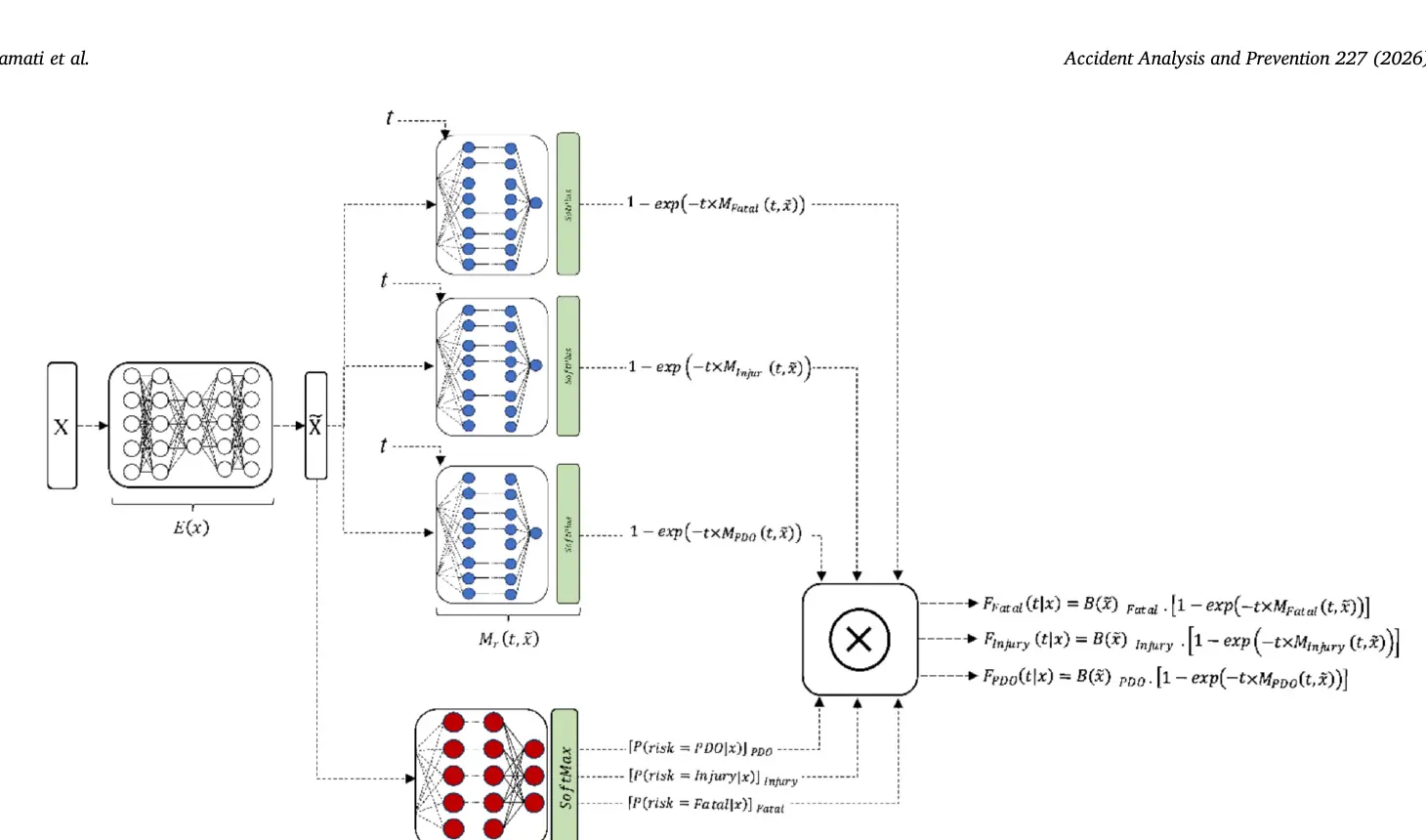
AI/ML engineering · Safety modeling
Engineered four monotonic neural architectures that learn when a crash may occur and which severity may emerge, while preserving physically defensible risk behavior across competing outcomes.
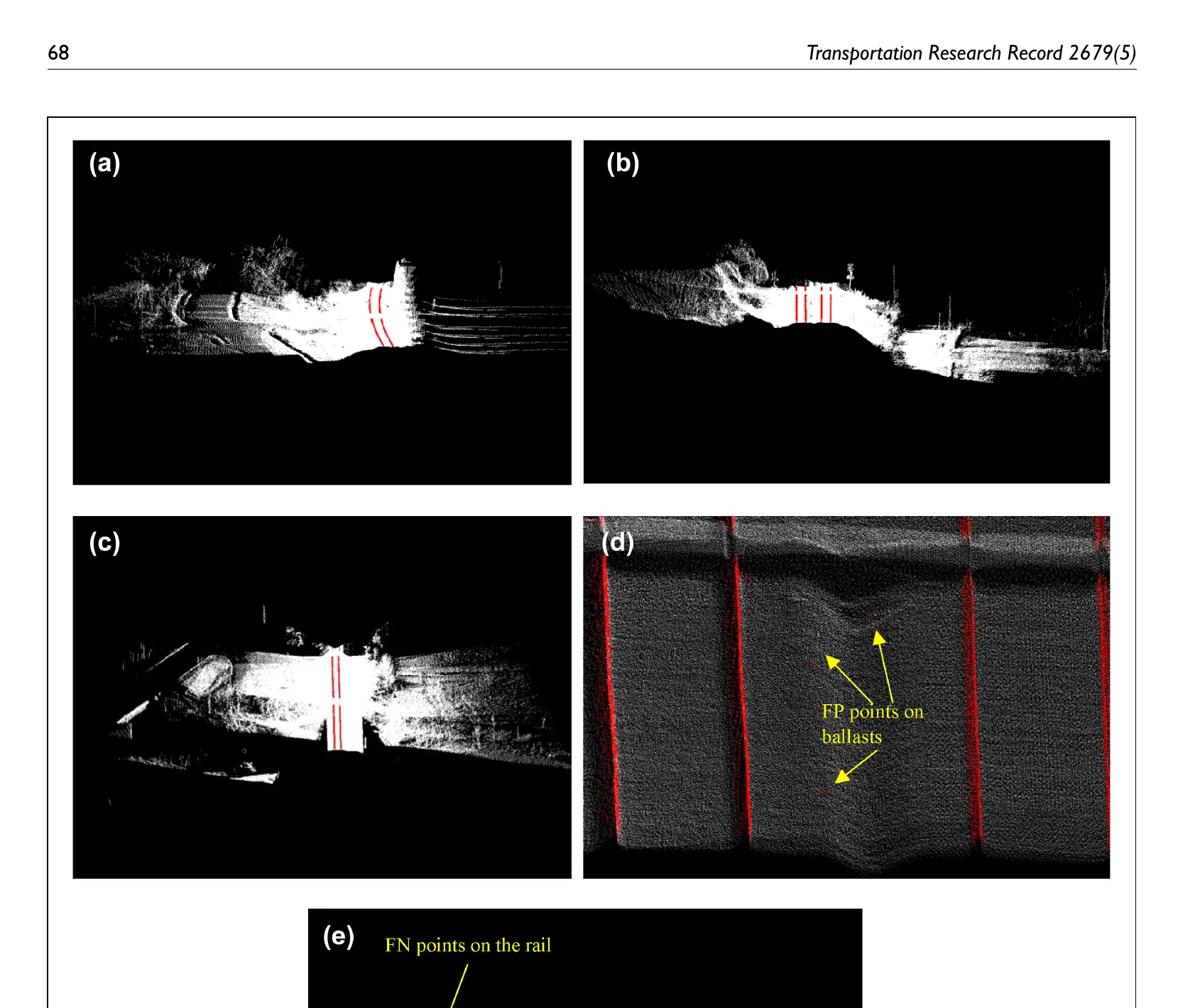
AI perception · LiDAR engineering
Engineered an AI-driven LiDAR pipeline that combines local geometric filters with a dynamic graph neural network to reconstruct rail geometry from sparse, noisy point clouds without relying on sensor configuration or fixed global rail features.
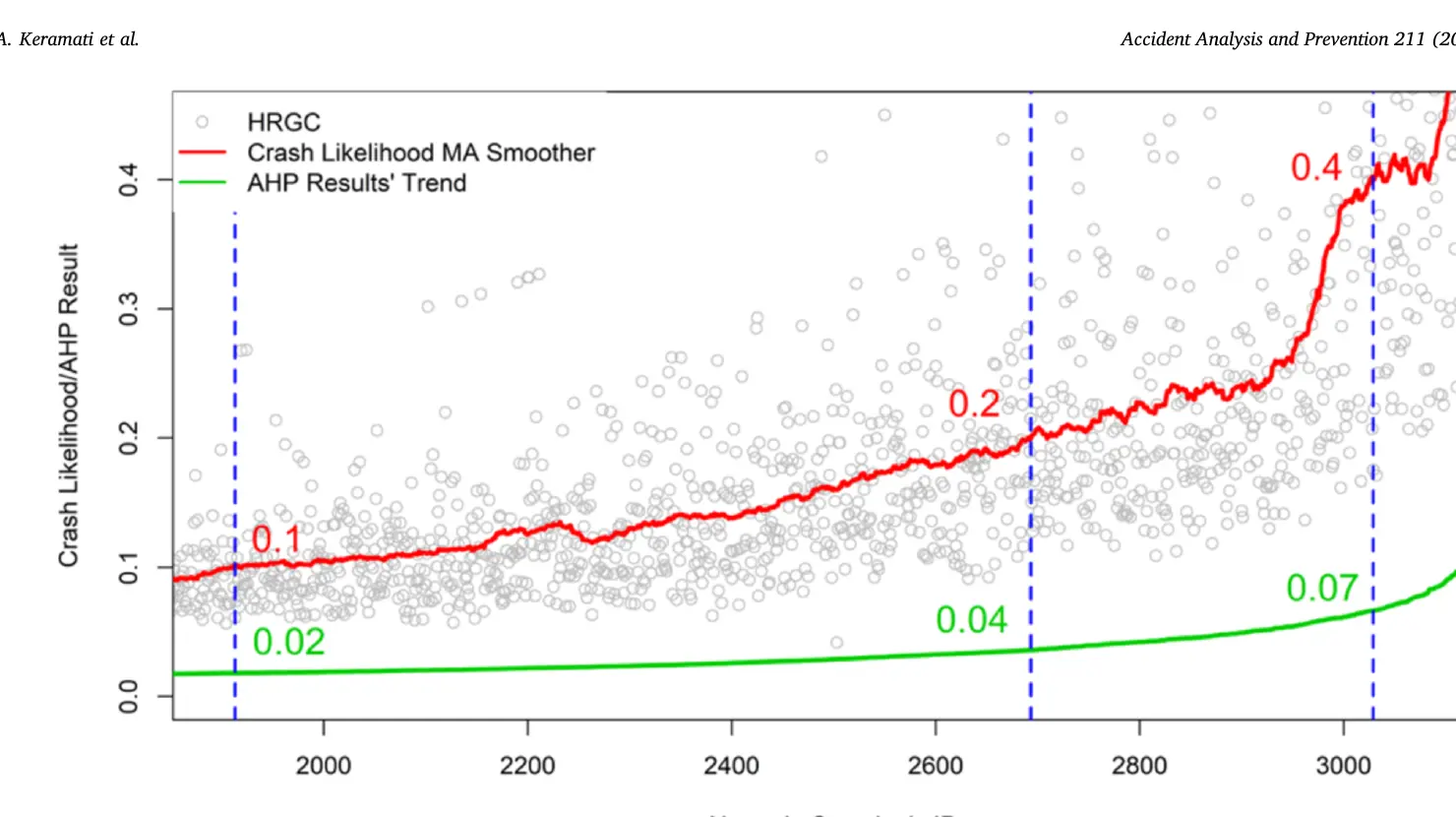
Data science · Decision engineering
Built a transparent hazard-ranking engine that combines expert safety priorities with severity-specific crash probabilities, converting model output into an actionable statewide screening system.
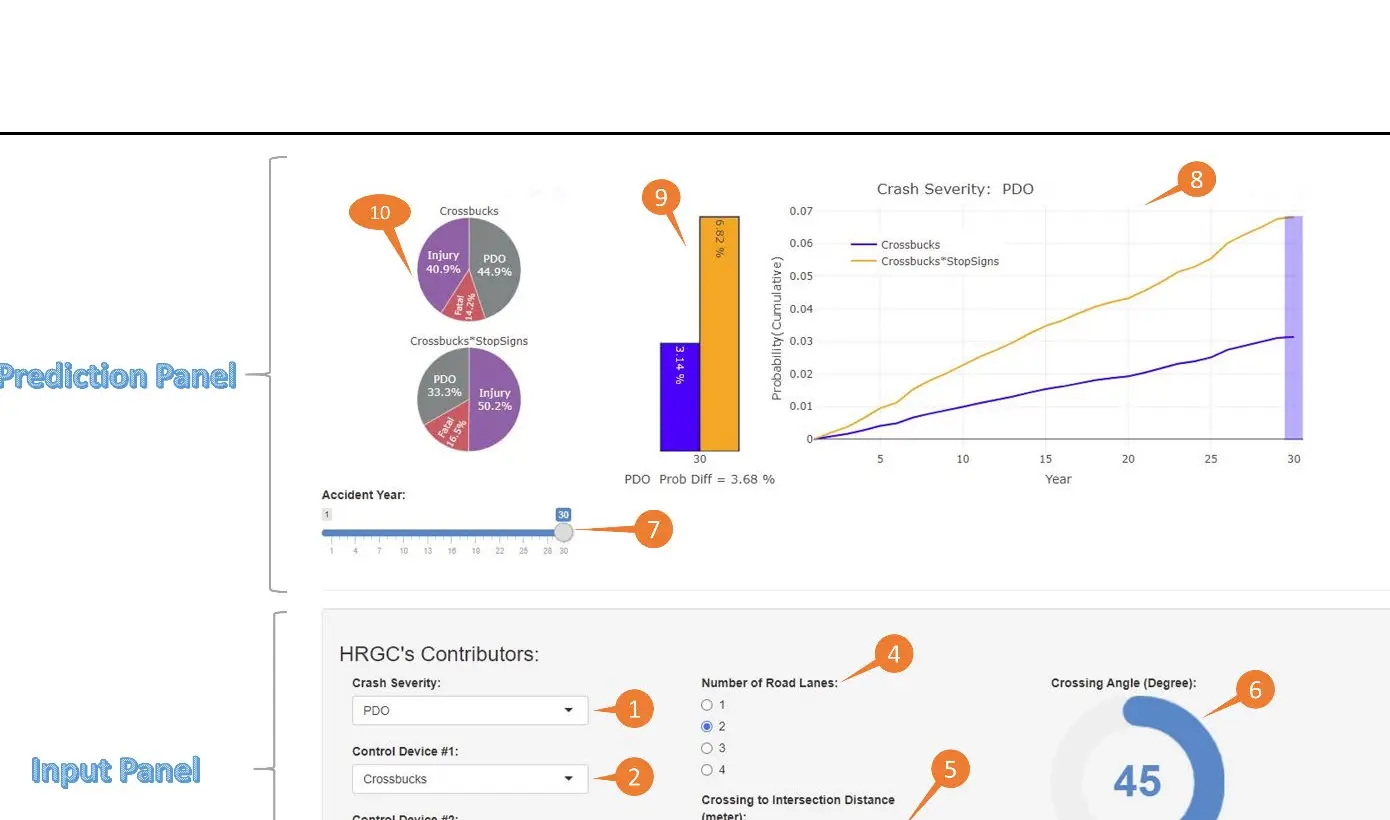
AI-enabled safety engineering · Decision systems
Led the technical integration of crash-risk modeling, countermeasure analysis, GIS prioritization, and an interactive R Shiny application into one agency-facing safety workflow.
Safety analytics · Causal comparison
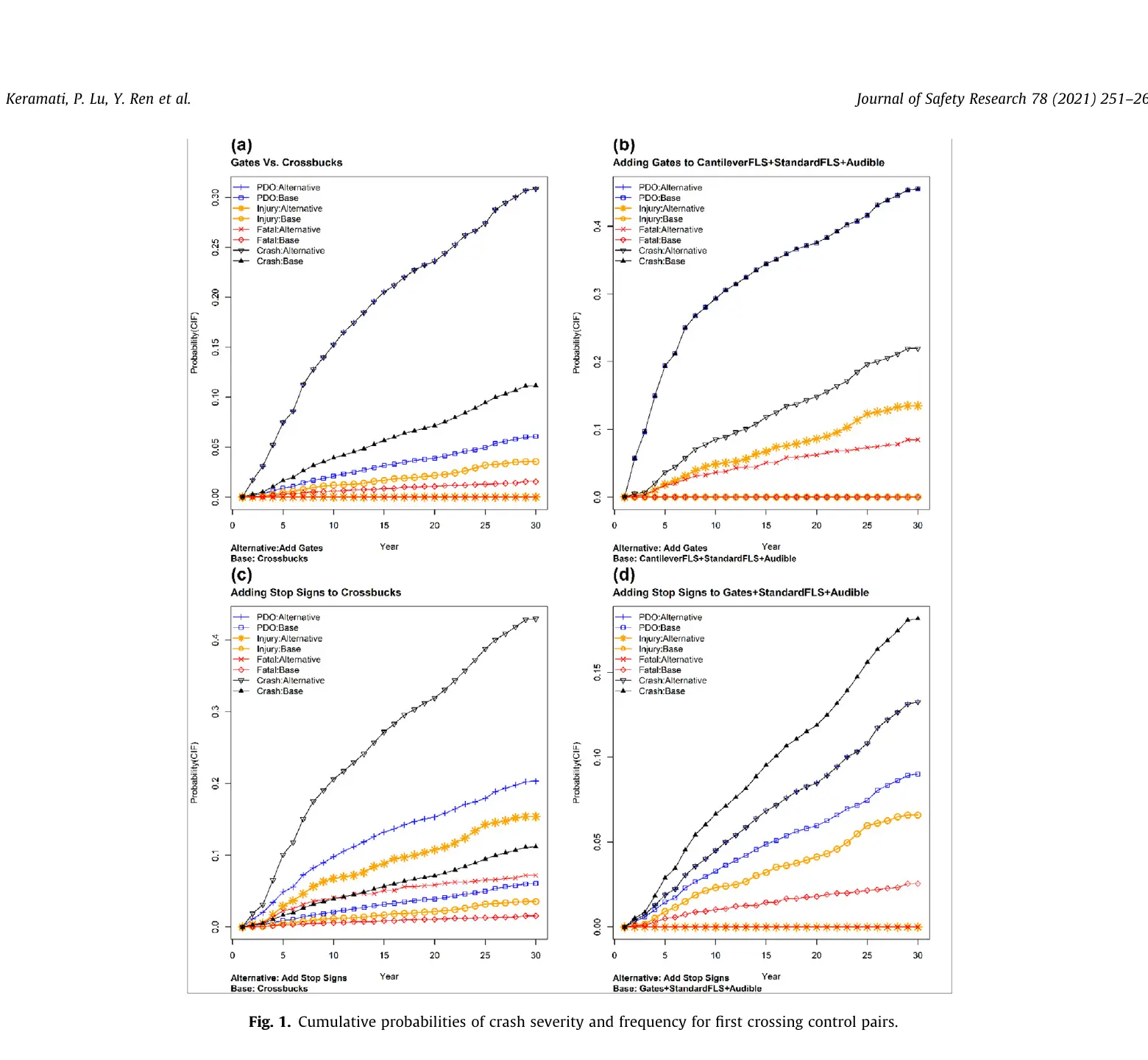
Quantified how the safety value of gates, audible warnings, flashing lights, and stop signs changes with the controls already present at a crossing.
Statistical ML · Rare-event safety
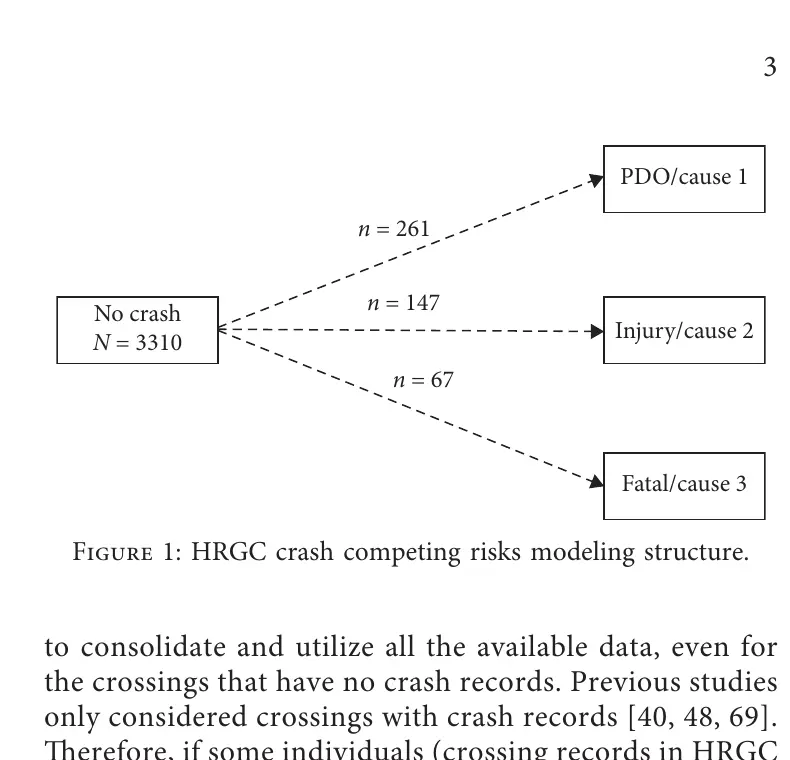
Designed a single competing-risk framework that estimates whether a crash occurs and which severity follows, using all crossing records rather than discarding sites with no observed crash.
AI/ML engineering · Explainable risk
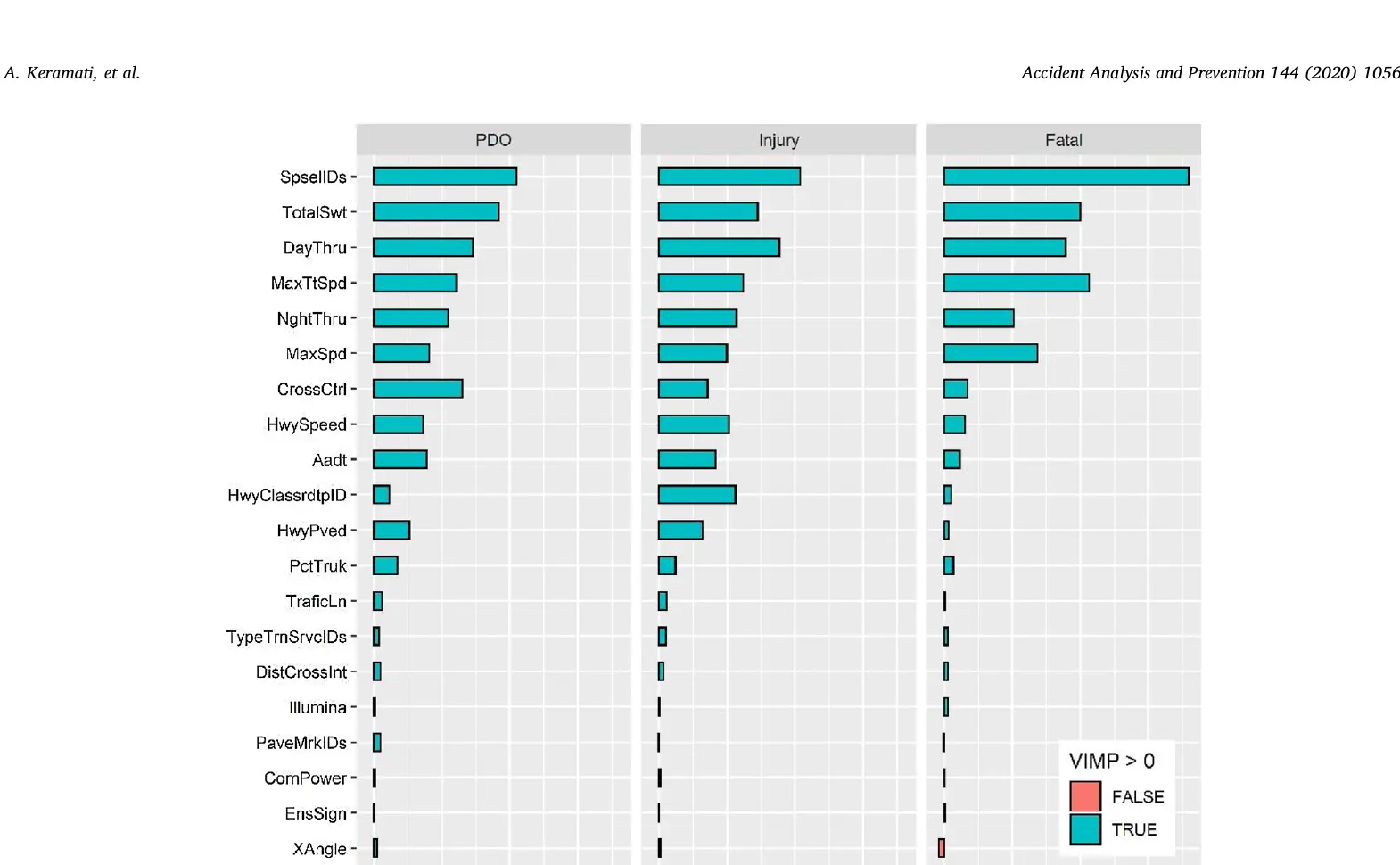
Built an open-source random survival forest that learns nonlinear, severity-specific relationships and ranks the contributors that matter most over a 29-year risk horizon.
Optimization · Sustainable logistics
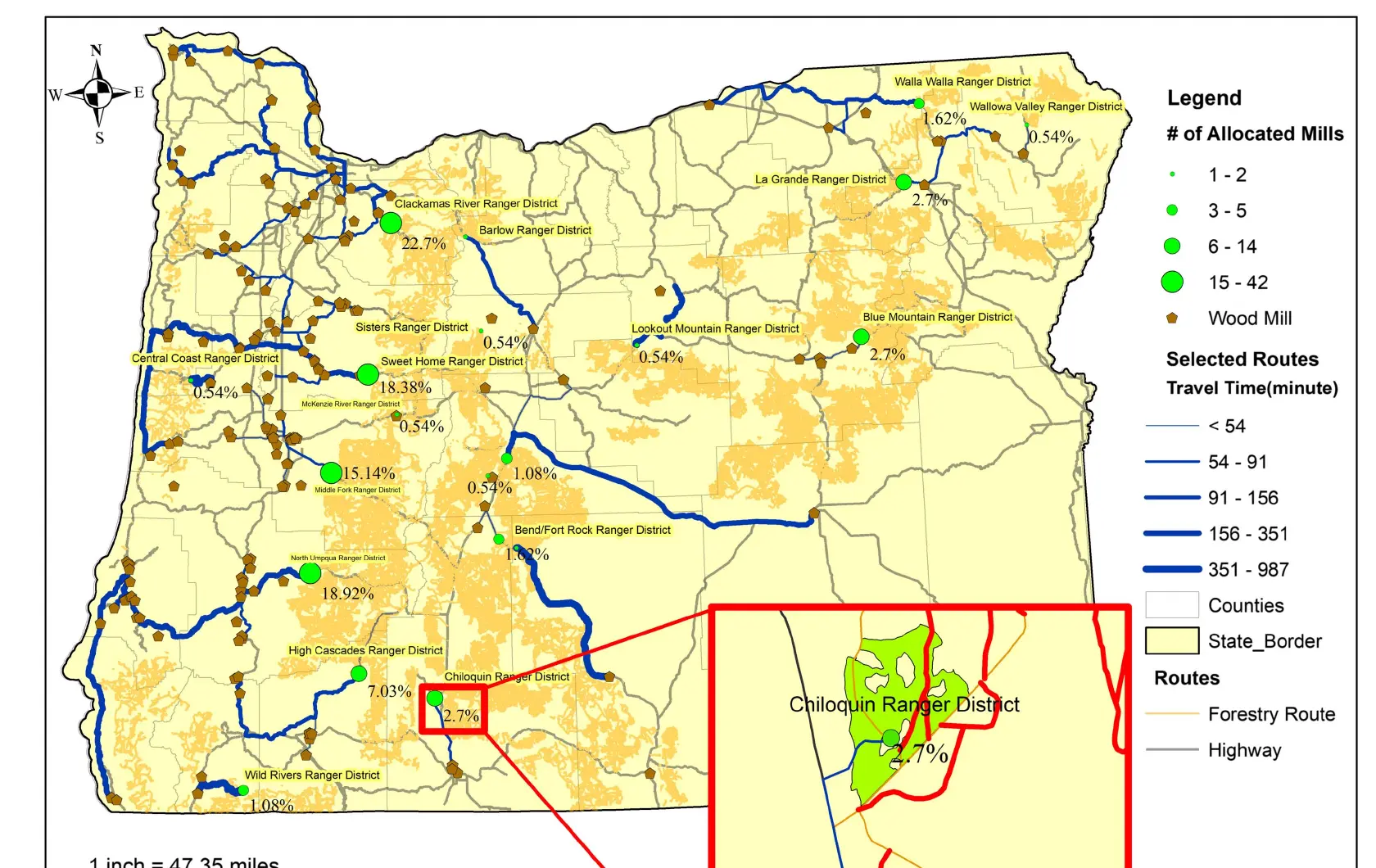
Engineered a statewide network model to test how forest-road maintenance policies reshape mill access, log-truck routing, transportation cost, energy use, and carbon emissions.
Geospatial data science · Safety engineering
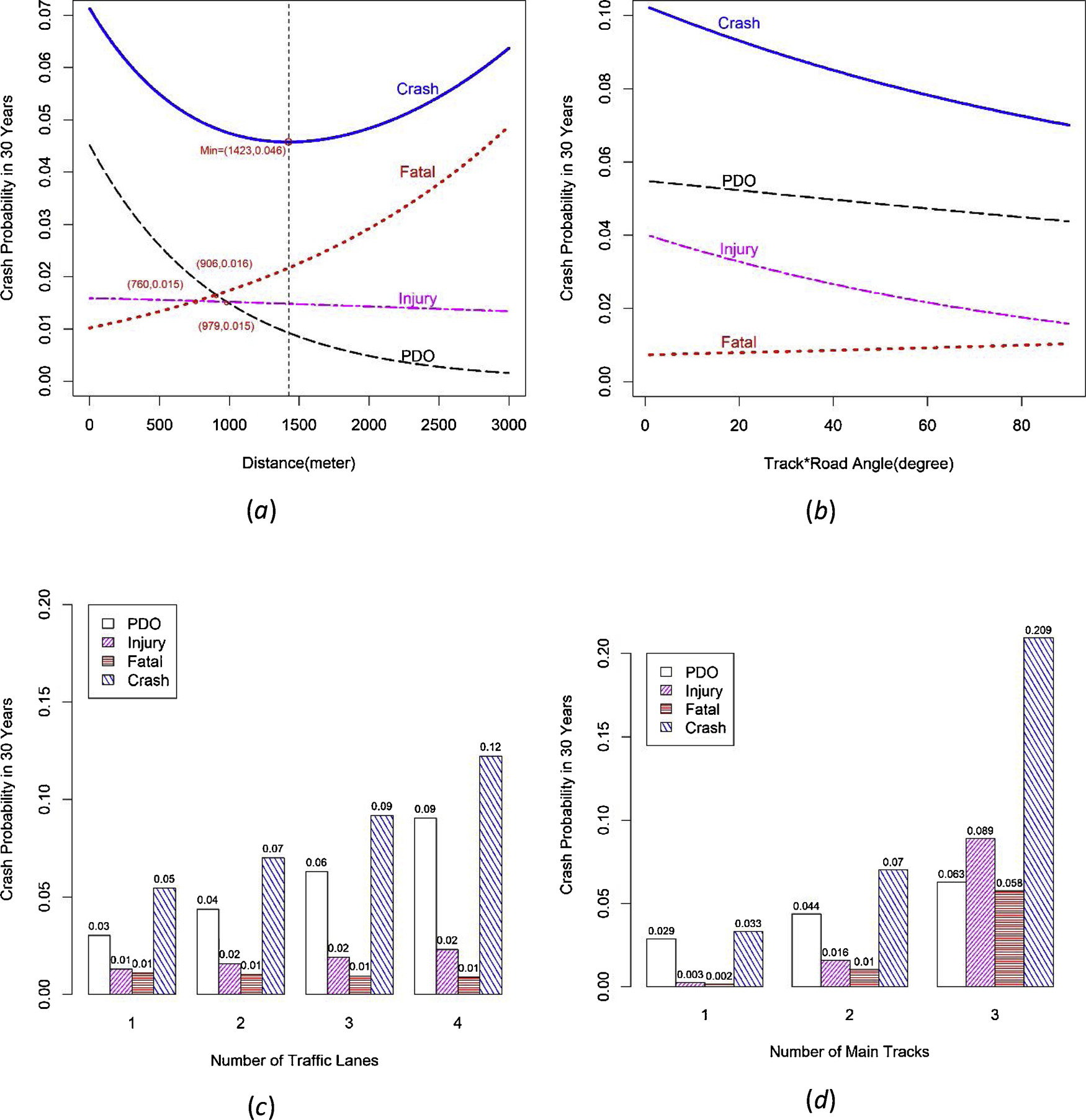
Engineered continuous geometric features from aligned GIS layers, then modeled how intersection distance, crossing angle, road lanes, and main tracks change long-term crash occurrence and severity.
04 / SELECTED DESIGNED TOOLS & APPLICATIONS
Interactive products Amin designed and developed to turn transportation-safety methods, AI decision logic, and complex analytical workflows into usable experiments and interfaces.
Designed & built · AV safety engineering
An interactive browser laboratory for configuring AV–road-user encounters, measuring TTC and PET, inspecting conflict-zone occupancy, and stress-testing AV behavior through human-controlled scenarios.
Designed & built · Geospatial decision application
An R Shiny location-choice application that searches candidate places around multiple origins, compares travel time by mode and departure settings, and maps the strongest shared destinations for personal or logistics decisions.
Designed & built · Railway safety decision support
An R Shiny safety application that applies a competing-risk survival model to compare highway–rail crossing controls and geometry, then visualizes crash-occurrence and severity likelihood across a 29-year horizon.
05 / SELECTED PUBLICATIONS
Amin Keramati’s peer-reviewed work in AI and machine learning, transportation safety, highway–rail systems, LiDAR, statistical modeling, optimization, and decision analytics.
Full Google Scholar profileAccident Analysis & Prevention · A* / Q1
Infrastructures · Q2
Managing Sport and Leisure
Accident Analysis & Prevention · A* / Q1
Transportation Research Record · Q2
Logistics · Q2
Journal of Safety Research · A / Q1
Accident Analysis & Prevention · A* / Q1
Accident Analysis & Prevention · A* / Q1
Journal of Advanced Transportation · A / Q2
Journal of Advanced Transportation · Q2
Journal of Transportation Engineering, Part A · Q2
06 / TEACHING
Amin’s graduate and undergraduate teaching covers artificial intelligence, machine learning, database systems, data analytics, ERP/SAP, operations, supply chains, project management, and transportation optimization through real datasets, working code, and decision-focused projects.
Supply-chain principles, ERP and SAP applications, and spatial supply-chain analysis using ArcGIS Pro, Python, and SQL.
Core operations concepts, quantitative decision-making, process analysis, and operational planning.
Relational design, SQL, normalization, data warehousing, MySQL, Tableau dashboards, and SAS-based data management.
Information-systems strategy, business intelligence, analytics, decision modeling, data mining, Big Data, cloud technologies, SaaS, and management of AI.
Project planning, scheduling, resource allocation, risk management, and project-performance evaluation.
Machine-learning fundamentals, hands-on model development and evaluation, AI applications, and applied business cases.
Principles of management information systems and their application to business decision-making.
ERP fundamentals, business-workflow integration, and a hands-on introduction to SAP.
Relational design, SQL, data warehousing, MySQL, and business-dashboard development using Tableau.
Transportation optimization, including shortest-path, traveling-salesperson, and vehicle-routing problems.
Rail planning, freight routing and scheduling, LP/MIP optimization, service-network design, time-space networks, and railcar routing.
07 / ABOUT
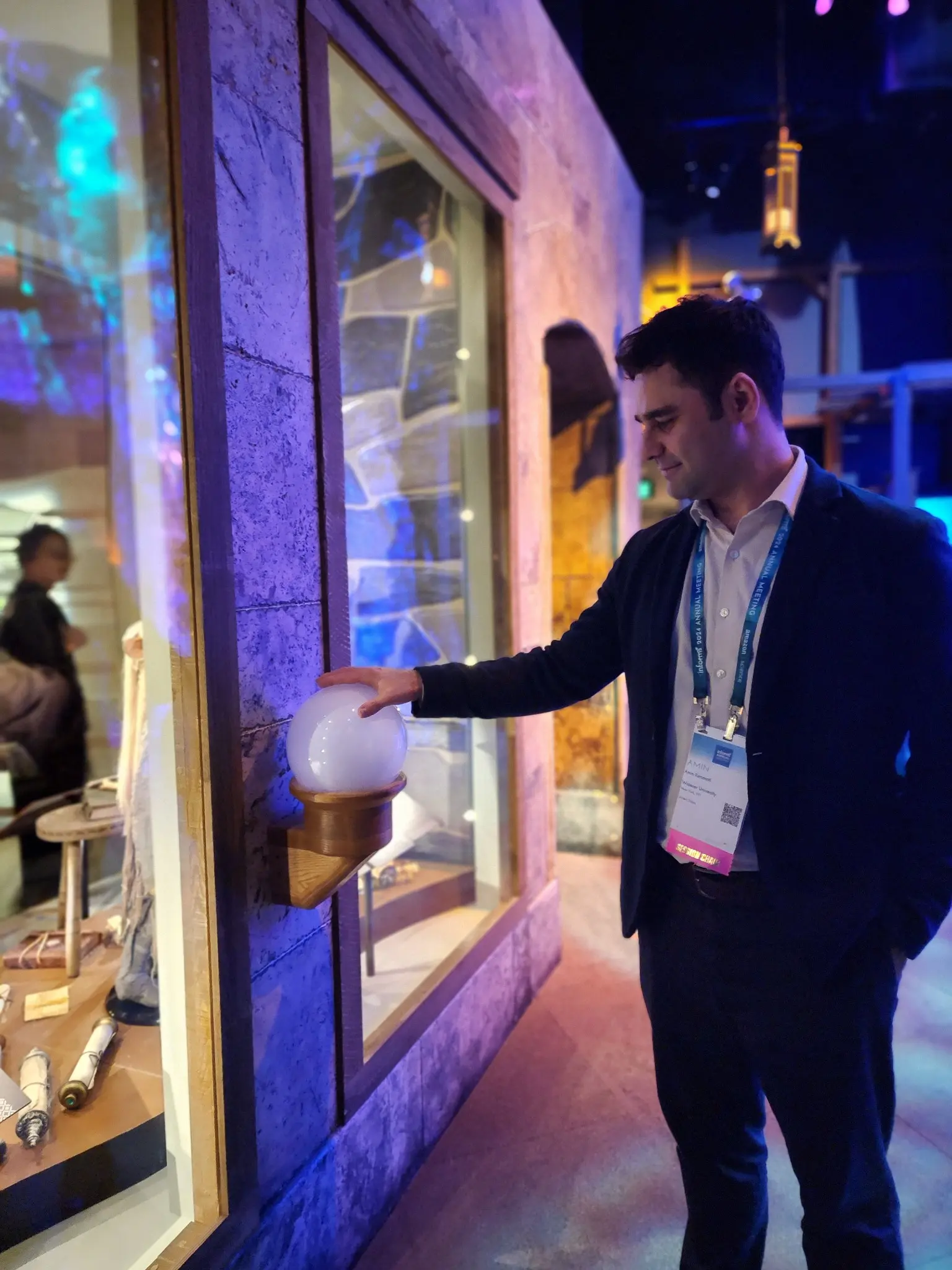
I’m Amin Keramati, an Assistant Professor of Supply Chain & Data Science at Widener University and an AI/ML engineer focused on making safety-critical transportation systems more reliable and useful.
My work brings together artificial-intelligence engineering, data engineering, survival analysis, deep learning, agentic LLMs, RAG, LiDAR, optimization, GIS, and safety decision-system design. I enjoy working across the full path—from source data and mathematical formulation to code, validation, AI assurance, and the interface an engineer or agency analyst ultimately uses.
I also contribute to Transportation Research Board committees and national panels focused on rail safety, crash-modification factors, intelligent transportation systems, and responsible use of AI at state DOTs.
Detailed academic record or concise industry-focused experience.
08 / MEDIA
Selected conversations and public features connecting transportation safety, artificial intelligence, applied analytics, and decision-making beyond the technical paper.
 Podcast
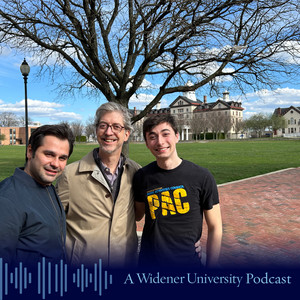
A Widener University Podcast
Greg Potter speaks with professors Brian Larson and Amin Keramati and marketing student Ben Miller about their Philadelphia Union fan-experience research, its international reach, and how human-centered marketing, AI, and facial recognition can improve experience, efficiency, and decision-making.
More informationWalletHub · Expert feature
Amin contributes a transportation-safety and risk perspective to WalletHub’s expert feature on Delaware car insurance and the factors consumers should consider when evaluating coverage and cost.
More information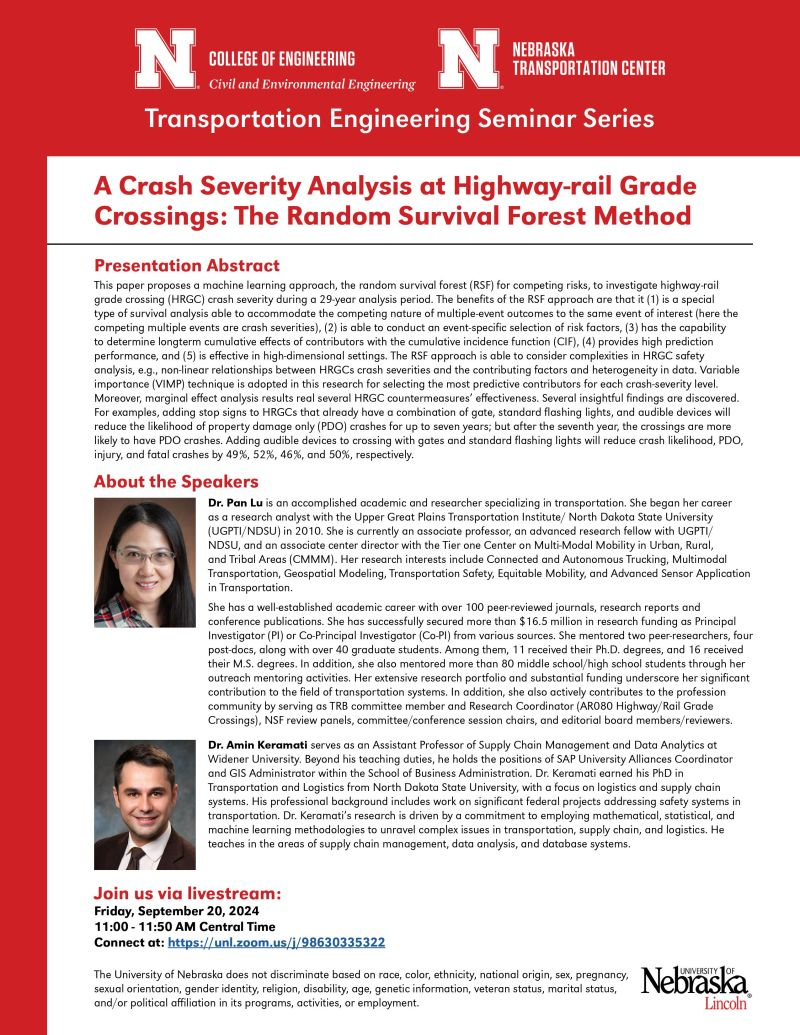
University of Nebraska–Lincoln · Seminar
A Transportation Engineering Seminar Series presentation by Dr. Pan Lu and Amin Keramati on competing-risk Random Survival Forest modeling for crash-severity analysis at highway-rail grade crossings.
09 / CONTACT
Contact information and profile documents for AI/ML engineering, data science, transportation safety, teaching, and technical collaboration.
Email Amin